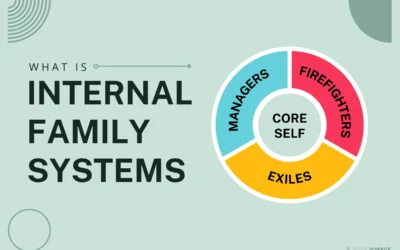


In our last blog, we explored the structure of IFS—how our psyche organizes into parts (Exiles, Managers, and Firefighters) and how the Self can lead our parts with curiosity and compassion. Now let’s look at how this understanding translates into healing. We will explore how IFS therapy works, what benefits people experience, and what to expect when your therapist uses IFS in a session with you.
The therapeutic process involves building relationships with your internal system. Rather than trying to eliminate problematic parts, the goal is to help all parts of you trust you. Once they do, they feel less need to act out.
How IFS Therapy Works
Getting to know the protectors: In this first step, your therapist may ask you to relax and close your eyes (if that feels comfortable to you). Then, the therapist will suggest you think about a recent situation that caused some emotion, and locate in your body where you feel some tension or tightness. This will usually lead to one of your protectors. Your therapist will help you develop relationships with your protectors. Instead of trying to stop a behavior, the therapist will lead you to be curious about this part. What is it protecting? What is this part afraid will happen if it doesn’t do this behavior?
.Earning their trust: Protectors are skeptical of therapy. They are often afraid you’ll try to eliminate them or talk to painful younger parts (exiles) before it feels safe. Your therapist will help you approach your protectors with genuine appreciation. This helps you to listen to them and respect their good intention for you, which slowly builds trust.
Meeting the exiles: Once protectors feel safe enough to step back, you can access the younger exiled parts that carry pain. The Self witnesses what happened to this young exile in the past and offers it what it needed but didn’t receive: safety, love, understanding.
Unburdening: When an exile feels fully witnessed by the Self, it can release the burdens it’s been carrying—the shame, fear, or beliefs like “I’m unlovable.” The part then takes on a new, life-giving role.
Integration: As exiles unburden, protectors no longer need to work so hard. The manager who drove perfectionism might discover joy in excellence. The firefighter who used rage might become a passionate advocate. Parts transform and find healthier ways to contribute to the system as a whole.
The Therapeutic Benefits
Reduced Self-Criticism: When you understand that the voice criticizing you is a protective part (not the truth about who you are), you can get curious about what it’s protecting rather than believing its harsh messages. Internal conflicts become understandable dialogues between parts with different fears.
Healing Trauma Gently: Because the Self (not the traumatized part) witnesses and “reparents” the young exile, there’s less risk of retraumatization. You build internal resources first so when you meet the pain, you can hold it with compassion.
Sustainable Behavior Change: IFS addresses why parts behave as they do. When a firefighter learns the pain has been healed, it naturally steps back from compulsive behaviors. Change feels organic—not white-knuckling trying to stop a problematic behavior, but genuinely not needing it anymore.
Greater Emotional Range: When exiles are no longer locked away and protectors don’t need to work overtime, you have more access to your full emotional range. You can feel joy, sadness, or anger from a grounded, Self-led place.
What to Expect in Therapy
It’s collaborative: Your therapist helps you notice when parts are present and guides you in getting curious about them. You’re in the driver’s seat.
It can feel strange at first: Talking to parts might seem weird initially. Most people are surprised by how real and distinct their parts feel once they start paying attention.
Protectors show up: Parts may resist the process or keep things intellectual. The therapist helps you work with this resistance rather than pushing through it.
Healing isn’t linear: You’ll have sessions where everything feels connected, followed by sessions where parts are strongly protective. Both are part of the process.
The goal is Self-leadership: IFS doesn’t promise you’ll never feel anxious or sad. The goal is approaching these feelings from Self—with curiosity, compassion, and confidence—rather than being overwhelmed by them.
Beyond the Therapy Room
Once you learn how IFS works, you can use it daily on your own. When triggered or stressed, pause and ask: “Which part is activated? What is it afraid of? What does it need from me?” This becomes a portable tool for self-understanding and regulation.
Is IFS Right for You?
IFS helps with anxiety, depression, trauma, relationship difficulties, addiction, and the work of becoming more integrated. It’s particularly suited for people who feel pulled in different directions, struggle with self-criticism, or want to understand not just what they do but why.
Moving Forward
You are not broken. Your internal system developed exactly as it needed to help you survive. The parts causing difficulty today were once your greatest allies. IFS offers a path toward internal harmony—not by eliminating parts but by helping them trust that your Self can lead with wisdom and compassion.
If this resonates, give us a call. You will be amazed how the journey of getting to know your parts and strengthening your Self-leadership can transform your life.